Sleeping Cat Embroidery Design
As a designer and embroidery product reviewer, I often find myself evaluating new designs with a critical eye—looking for quality, versatility, and practicality. The Sleeping Cat SVG design caught my attention not just for its cute subject matter, but for how it might translate into real-world embroidery projects. Let’s dive into what this design offers and where it shines—or falls short—in actual use.
The First Impression: A Cozy, Laid-Back Mood
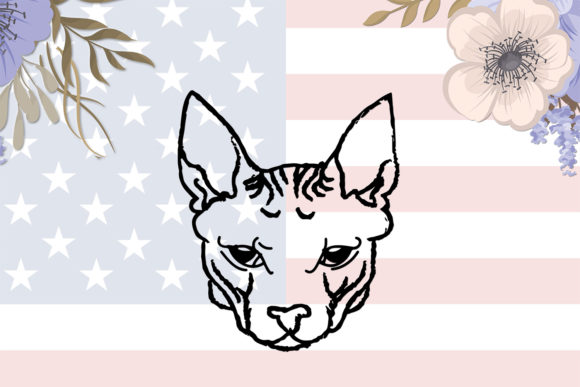
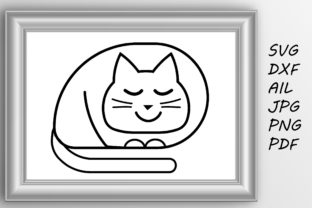
The Sleeping Cat has a soft, sleepy vibe that immediately suggests a calm, comforting presence. The shape is simple yet expressive, with rounded edges and minimal detailing that makes it feel approachable and easy to work with. It doesn’t scream for attention—it whispers, which makes it perfect for certain types of projects.
This design feels like it belongs on items that are meant to be cherished, like a baby’s blanket, a personalized pillow, or a cozy tote bag. Its layout is balanced, and the detail level is just enough to make it recognizable without being overwhelming. It’s a great candidate for an applique design or a satin stitch project where clarity matters.
Real-Life Use Cases: Where Sleeping Cat Fits Best
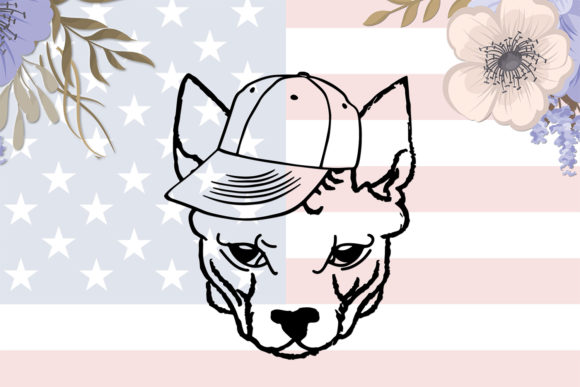
Imagine you’re preparing a custom embroidered tote bag for a client who wants something unique but understated. Sleeping Cat would look great in that scenario—especially if the fabric is light-colored and the stitching is done with contrasting thread. It could also work well on a sweatshirt or a cap, though the placement would need careful consideration.
For baby embroidery, this design could be a hit. It’s simple enough to be safe for little ones, and the soft lines make it less likely to cause visual discomfort. On a onesie or a burp cloth, it adds a personal touch without being too busy.
It also works well as an embroidered patch for jackets, backpacks, or even a DIY apron. The design isn’t too dense, so it should hold up well on a variety of fabrics, especially when using the right stabilizer.
Where to Be Cautious: Limitations and Considerations
While Sleeping Cat is versatile, there are some situations where it may not perform as well. For instance, on textured fabrics or thin, stretchy materials, the design might lose some of its definition. If you’re planning to use it on a dark fabric, you’ll want to test the thread color contrast carefully to ensure visibility.
Small hoop sizes can also be a challenge. If the design is too large for your machine’s hoop, you may end up with uneven stitching or misalignment. Similarly, curved surfaces like caps or hats require careful placement to avoid distortion.
Another thing to watch out for is stitch density. While this design isn’t overly complex, it still needs enough stitches to maintain its shape. If you’re using it for a commercial embroidery project, make sure the file is optimized for the type of machine you’re using.
Impact on Visual Appeal and Customer Perception
When it comes to handmade products, the Sleeping Cat design adds a touch of personality that can elevate a simple item into something special. Customers often respond positively to designs that feel personal and thoughtful, and this one definitely fits that bill.
It also plays well in personalized gifts and holiday embroidery projects. Whether it’s a gift for a cat lover or a decorative piece for a nursery, the design feels relevant and appropriate. Its simplicity helps it stand out in a crowded market, especially for Etsy sellers or small shop products.
From a brand consistency standpoint, this design could be a good fit for businesses that focus on cozy, whimsical aesthetics. It’s clean enough to be used across different product lines without feeling out of place.
Practical Designer Notes: Testing and Preparation
Before jumping into a full project, I always recommend testing the machine embroidery design on scrap fabric. This helps you see how the fill stitch and satin stitch areas look in real life. You’ll also get a better sense of how the design interacts with different fabrics and thread colors.
Check the stitch density to make sure it’s suitable for your intended use. If the design is too dense, it might cause puckering or wear over time. Also, consider how it looks in a printable mockup before finalizing any client orders.
If you’re planning to sell finished items or digital products, confirm the licensing terms. Even though the Sleeping Cat SVG is described as compatible with machines like Cricut and Silhouette Cameo, it’s always wise to double-check what you’re allowed to do with the design.
Final Thoughts: A Solid Choice for the Right Project
The Sleeping Cat design is a reliable option for those looking for a simple, expressive embroidery file that can be used in a variety of contexts. It’s not the most intricate design out there, but it’s well-suited for projects that prioritize charm, comfort, and ease of use.
Whether you're a craft business owner, a digital product seller, or a hobbyist looking to expand your collection, this design could be a valuable addition to your design assets. Just remember to test it thoroughly and consider the limitations before committing to a larger project.