Scary Cat: A Halloween Embroidery Design Review
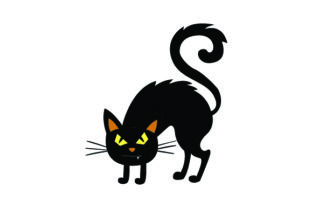
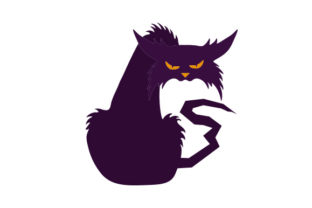
As a designer and embroidery product reviewer, I always start by looking at a design’s first impression. Scary Cat immediately grabs attention with its sinister expression and bold, graphic style. The design feels like it was made for a specific purpose—spooky, seasonal projects that need a little extra flair. It’s not just a cat; it’s a statement piece that screams Halloween without being over the top.
The Mood and Visual Personality of Scary Cat
Scary Cat has a clear visual personality. Its evil look is sharp, clean, and well-defined, making it ideal for embroidery projects that require a strong, recognizable image. The layout is simple but effective, with enough detail to make it stand out without being overwhelming. The design seems to be built for maximum impact in a small space, which makes it perfect for items like tote bags, sweatshirts, or baby onesies.
The shape and theme of Scary Cat feel right at home in the Halloween category. It’s not too scary, but it’s definitely spooky enough for most crafters and small business owners who want to add a touch of fun to their products. The design’s simplicity also means it can be adapted to different styles, from rustic to modern, depending on how it’s used.
Real-Life Embroidery Use Cases
When considering where Scary Cat would fit best, I think about real-life scenarios. For example, if I were designing a custom embroidered tote bag for a local boutique, this design would work wonders. The size and detail level are suitable for a medium-sized hoop, and the overall look would make the tote stand out on the shelf. It could also be a great addition to a sweatshirt or cap design, especially for a seasonal collection.
For baby items, Scary Cat might be a bit intense, but it could still work as a decorative element on a onesie or a blanket. The key here is to balance the design with softer elements, like pastel colors or complementary patterns. It’s important to consider the audience when using such a bold design.
As an applique design, Scary Cat could be used on patches, aprons, or even pillow covers. The clean lines and defined edges make it suitable for both machine embroidery and hand-stitching. However, I’d recommend testing it on a scrap fabric first to ensure the stitch density and thread color contrast are right for the intended project.
Where to Use Scary Cat Carefully
While Scary Cat is versatile, there are some situations where it might not perform as well. Small hoop sizes could be an issue, as the design may not fit comfortably. Textured or thin fabrics might cause the stitches to look uneven, so it’s important to use the right stabilizer and adjust the tension accordingly.
On dark fabrics, the design might not show up as clearly, especially if the thread color isn’t a good contrast. Similarly, stretchy or layered garments could affect the final appearance. For curved surfaces like caps or hats, the design might need some adjustments to ensure it looks good when stitched.
Detailed corners and tiny lettering can be tricky, so I’d advise checking the design closely before committing to a project. If the design includes dense stitch areas, it might be better to use a lighter fill stitch to avoid puckering or distortion.
Impact on Visual Appeal and Customer Perception
Scary Cat has the potential to elevate a handmade product or custom apparel. Its strong visual presence can make a finished product more eye-catching, which is crucial for Etsy sellers or small shop owners trying to stand out in a crowded market. When used correctly, it adds value and can help build customer trust through consistent quality and professional presentation.
For personalized gifts or holiday items, Scary Cat could be a unique and memorable choice. It’s easy to imagine it on a Christmas sweater, a Halloween pillow, or a themed gift bag. The design’s clarity and consistency make it a good fit for commercial embroidery projects, especially when paired with the right thread colors and fabric choices.
As a digital product, Scary Cat could be part of a larger collection of Halloween-themed design assets. It’s important to ensure that the file format (SVG) is compatible with the user’s software and that the design works well for both personal and commercial use. Licensing terms should be reviewed carefully before selling finished items or digital products.
Practical Designer Notes for Using Scary Cat
Before using Scary Cat in any project, I recommend testing it on scrap fabric. This helps determine how the design looks on different materials and whether the stitch density needs adjusting. Checking thread color contrast is also essential, especially if the design will be used on dark or light backgrounds.
Confirming the hoop size is another critical step. If the design doesn’t fit comfortably, it could lead to stitching issues or an uneven result. Inspecting small details like corners and edges can prevent surprises later on. Testing the design in black and white mockups can also help visualize how it will look on different fabrics.
Using the right stabilizer is crucial for maintaining the integrity of the design, especially on stretchy or delicate fabrics. For commercial projects, it’s important to verify that the design is licensed for resale or redistribution, depending on the intended use.
Final Thoughts on Scary Cat
Overall, Scary Cat is a solid choice for embroidery designers and crafters looking for a bold, Halloween-ready design. It’s well-suited for a variety of projects, from custom apparel to small shop merchandise. With careful consideration of fabric type, hoop size, and stitch settings, it can be a valuable addition to any craft business or handmade collection.
Whether you’re an Etsy seller, a hobbyist, or a professional decorator, Scary Cat offers a mix of creativity and practicality. Just remember to test it thoroughly and use it where it will have the most impact. With the right approach, this design can bring a little bit of spooky charm to your next embroidery project.