Cat Design, a House is Not a Home
As an embroidery designer and product reviewer, I’ve seen my fair share of digital designs that promise the world but deliver little in real use. Cat Design, a House is Not a Home falls into the category of projects that feel immediately familiar and comforting. The design’s simple yet charming aesthetic makes it ideal for a wide range of embroidery applications, from custom apparel to personalized gifts.
The First Impression: A Wholesome, Cozy Vibe
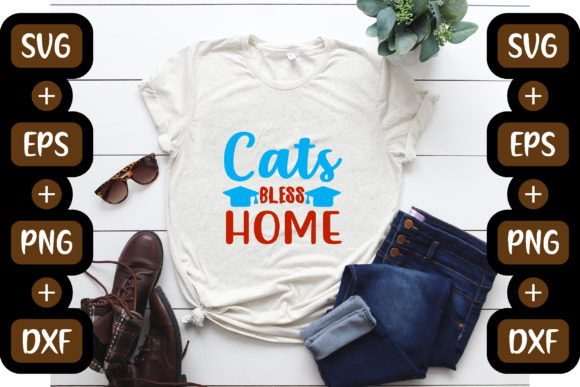
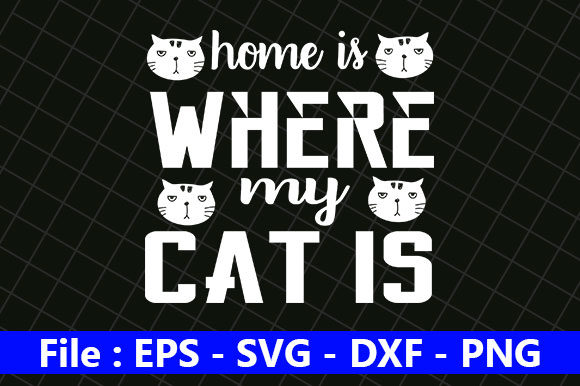
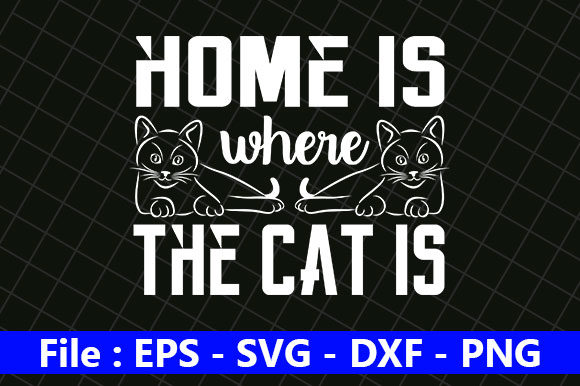
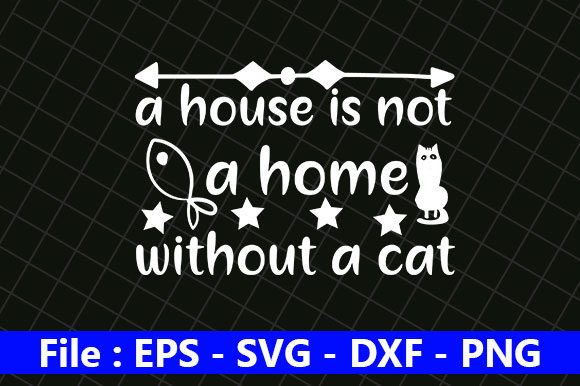
From the moment I opened the file, the mood of Cat Design, a House is Not a Home was clear. It exudes warmth and familiarity, perfect for anyone who loves cats or wants to add a touch of personality to their handmade products. The layout is clean, with a central cat silhouette and the text “A house is not a home without a cat” placed just below. The design isn’t overly complex, which means it can work well on a variety of fabrics and project types.
The level of detail is moderate—enough to make the design stand out without being overwhelming. This makes it a great choice for both beginners and experienced embroiderers looking for something quick and effective.
Real-World Embroidery Use Cases
When considering where Cat Design, a House is Not a Home would shine, several use cases come to mind. For example, a custom embroidered tote bag could be a hit at a local craft fair. The design’s size and shape fit well on the front of a tote, making it a versatile option for small shop products or Etsy listings. Similarly, a sweatshirt with this design would be a popular item for a seasonal collection or as a holiday gift.
Baby items are another strong application. A onesie or a baby blanket with this design would appeal to cat lovers and parents looking for a meaningful, personalized gift. The simplicity of the design also makes it suitable for applique or satin stitch techniques, which are commonly used in baby embroidery projects.
For apparel decorators and boutique brands, Cat Design, a House is Not a Home could serve as a staple in a line of custom t-shirts or caps. Its straightforward layout ensures it translates well onto curved surfaces like caps or hats, though care should be taken with smaller hoop sizes.
Where to Be Cautious
While the design is generally user-friendly, there are a few areas where extra attention is needed. On small hoop sizes, some details may get lost, especially around the edges of the cat silhouette. If you’re planning to use this on a patch or a small area, it’s best to test it first on scrap fabric to ensure visibility and clarity.
Textured or stretchy fabrics can also affect the final look. A dense stitch area might cause the design to pucker or lose definition. Using the right stabilizer is crucial here, especially when working with thin or delicate materials. Dark fabrics may require a different thread color to ensure the design stands out, while light-colored fabrics might need a more subtle approach.
For commercial embroidery projects, it’s important to confirm that the design is licensed for resale. While the product description mentions formats like SVG, DXF, EPS, and PNG, specific licensing terms aren’t provided. Always double-check before using the design in finished products or digital assets.
Visual Appeal and Customer Perception
Cat Design, a House is Not a Home has a strong visual appeal that can elevate any handmade product. Its clean lines and recognizable theme make it instantly appealing to customers, especially those who value personalization and emotional connection. Whether it’s a custom apron for a kitchen or a holiday gift, this design adds a touch of character that can increase customer engagement and brand loyalty.
From a professional standpoint, using this design in your embroidery projects can enhance the perceived value of your work. It shows that you’ve selected a thoughtful, well-crafted design that resonates with your audience. For Etsy sellers and small business owners, this kind of design can help differentiate your products in a competitive market.
Practical Designer Notes
Before committing to a large batch of projects, always test the design on scrap fabric. This helps identify any issues with stitch density, thread color contrast, or fabric compatibility. If you’re planning to use this on a layered garment or a textured surface, be sure to adjust your settings accordingly.
Reviewing the stitch density is also essential. If the design is too dense, it may cause the fabric to pucker or the threads to break. Conversely, if it’s too sparse, the design may not hold up over time. Checking the design in black and white mockups can help you see how it will look on different fabric backgrounds.
For commercial use, make sure the design is compatible with your embroidery machine and that you have the proper licensing. If you’re selling digital products, confirm that the files are optimized for your intended use, whether that’s for print, embroidery, or both.
Final Thoughts
Cat Design, a House is Not a Home is a solid choice for embroidery designers and crafters looking for a versatile, emotionally resonant design. Its simplicity and charm make it suitable for a wide range of projects, from casual wear to personalized gifts. With careful consideration of fabric type, hoop size, and stitch density, this design can become a valuable addition to your embroidery project library.
Whether you’re running a small shop, creating custom apparel, or simply looking for a fun way to express your love for cats, this design offers practicality, style, and a touch of personality that can set your work apart.